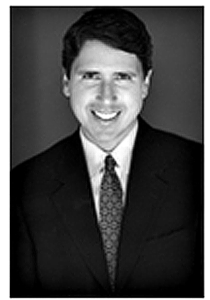
By Trey Warren and Brooke Maloy Front Range Land & Development Company, developer of Belleview Station
If you saw the front page of the Denver Gazette a few days ago, you couldn’t help but notice Denver Nuggets’ mascot Rocky rappelling down the side of building to support the Cancer League of Colorado. The building was the Kimpton Claret Hotel and the location was Belleview Station.
So what’s Belleview Station you ask? It’s a 51-acre mixed-use development at the intersection of Belleview Avenue and I-25, and it’s booming!
As Downtown Denver businesses continue to flee the urban core, suburban locations are reaping the benefits of lower office vacancies, new retail and restaurant openings and renewed interest in hospitality and multifamily residential development. Smart tenants that used to office in B or C class space have taken the post-Covid office downturn as an opportunity to lock down right-sized A class space at once-in-a-lifetime rates. All of a sudden, folks are looking around and finding there isn’t much of the good stuff left.
article continues after advertisement
Belleview Station was officially launched in 2012 and today has three residential buildings totaling more than 900 units, three office buildings totaling more than 800,000 square feet of space and nearly 130,000 square feet of retail and restaurant space. The development team projects Belleview Station will have 3,300 residential units (both for lease and for sale), 2.8 million square feet of office space and 205,000 square feet of retail by the year 2036.
Most recently, construction started on two new apartment towers, adding 21-story and 22-story buildings to the community. The towers, being developed by PCP / Voyager, will provide an additional 634 residential units. Both towers will include rooftop pools, unencumbered views of the Front Range, and will be connected by a large parking garage that is wrapped with other units. The top of that parking garage will feature garden amenities like a sports court and dog run that residents of the towers will share.
Belleview Station has enjoyed steady success based on the team’s original vision, its location in the heart of southeast Denver and the popularity it has achieved among businesses, retailers, restaurants and people in general. The companies that have invested here or have chosen to move here are realizing tremendous gains, and the people who live and work here have achieved a healthy live-work balance. This is a place where people and businesses want to be.
Belleview Station, a Transit Oriented Development, revolves around its LRT station and has found a solid foothold in south Denver– and is reaping tangible results:
Existing office space is 99 percent leased, with buildings that are home to some of Denver’s largest corporate headquarters: Vectra Bank, Western Union, Newmont Mining, Others include, the international engineering firm Jacobs, Cerity Partners, Fortis Bank, Eide Bailey, Philips 66, and Pulte Mortgage.
Multifamily development includes residential projects owned by Equity Residential, Trammell Crow Residential and the two new towers by PCP / Voyager.
The opening of several new restaurants and retail shops, bringing the development to near 100 percent occupancy (some of the new retailers include Peckish Pizza and Wings, Halo, Saverina, Tifa Gelato, Pur Luxe Beauty Bar and Pur Artistry). The current restaurant and retail mix includes Playa Bowls, Crisp & Green Ambli, Belleview Beer Garden (BVBG), Corvus Coffee, Le French Bakery and Café, Los Chingones, Ruth’s Chris Steak House, Tap & Burger, Urban Egg, Yampa Sandwich Co., A Line Boutique, Barre3, Matthew Morris Salon, Movet, Porchlight Real Estate Group, Western Union, Charles Schwab, Belleview Dentist Office, First Tech Credit Union, The Nest Nail Spa, Orangetheory, Restorative Injectables, Waxing the City and YogaSix
The opening of a new, 190-room boutique Kimpton Hotel Claret that features a rooftop bar and music venue with a sweeping view of the front range and a ground floor high-end restaurant.
Belleview Station’s 51-acre footprint is the last of a larger parcel, much of which was originally acquired in the 1860’s and whittled down over generations. The original acreage, purchased on agriculture speculation, spent much of its early years farmed as winter wheat. The farm was divided and reduced in the 1950’s by Eisenhower’s interstate highway act and then again in the 70’s with the introduction of I-225. Smaller inefficient parcels were sold off over time for housing and parks, including a portion of the original Denver Technological Center (DTC), and the remainder converted to a golf course. TREX, the last major highway expansion and introduction of Light Rail beginning in 2000, reduced the golf course from 18 holes to 9, and foretold the eventual rezoning and current development.
article continues after advertisement
Getting Belleview Station to the point it is today took a great deal of work and planning. The development team created Metro Districts to provide water and sanitation services, an owner association to set and preserve the vision, a public improvement company to organize the parking, and delivered its first full scale development in 2012.
In addition to the foundational work, the development team focused a great deal on architecture and urban design. A 46-page design criteria document provides applicants who want to develop at Belleview Station with specific procedures to help ensure the continued quality and appeal of the development.
In addition to high quality design, the development team also emphasizes regular, proactive communication with tenants, residents and building owners. Monthly owner meetings are held to share ideas, concerns or just good news in general.
Today, after surpassing the ten-year mark in time, Belleview Station has much to celebrate and even more to look forward to in the years ahead.
https://www.realestateinvestormagazines.com/wp-content/uploads/2025/11/Denver-2.jpg4001000dulcehttp://www.realestateinvestormagazines.com/wp-content/uploads/2013/04/logo.pngdulce2025-11-18 07:12:462025-11-18 07:12:52Belleview Station is Booming
As this year comes to a close, business owners seeking to reduce their taxes for 2025 have a variety of opportunities. Here’s a look at two tax-saving tools: bonus depreciation and retirement plan contributions.
article continues after advertisement
Assets Eligible for Bonus Depreciation
First-year bonus depreciation has been given new life under the legislation commonly known as the “One Big Beautiful Bill Act” (OBBBA). It had been scheduled to be only 40% for 2025 (60% for certain long-production assets) and to vanish after 2026. The OBBBA permanently reinstates 100% bonus depreciation for eligible assets acquired and placed in service after January 19, 2025. Acquiring eligible assets and placing them in service by Dec. 31, 2025, could significantly reduce your 2025 tax liability.
Eligible assets include most depreciable personal property, such as:
Equipment,
Computer hardware and peripherals,
Certain vehicles, and
Commercially available software.
Also eligible is qualified improvement property (QIP), defined as improvements to the interior of a nonresidential building that was already placed in service. QIP doesn’t include costs to change the building’s internal structural framework (such as enlargement). These costs must generally be depreciated over 39 years.
Unlike Section 179 expensing, which is limited to $2.5 million for 2025 (up from $1.25 million before the OBBBA) and subject to a phaseout, the amount of bonus depreciation a taxpayer can claim is generally unlimited. But there are other tax consequences to consider.
article continues after advertisement
Beware of the Excess Business Loss Rule
Individual taxpayers who have losses as a sole proprietor or as an owner of a pass-through entity (partnerships, S corporations, and, generally, limited liability companies) may inadvertently trigger the excess business loss rule when they claim bonus depreciation. The excess business loss rule allows business losses to offset income from other sources (such as salary, self-employment income, interest, dividends, and capital gains) only up to an annual limit. Amounts above that limit are excess business losses. For 2025, this is the excess of aggregate business losses over $313,000 ($626,000 for married couples filing jointly).
Excess business losses can’t be deducted in the current year and must be carried forward to the following tax year. Such losses can then be deducted under the rules for net operation loss carryforwards. As a result, an individual taxpayer’s 100% first-year bonus depreciation deduction can effectively be limited by the excess business loss rule.
Save Taxes by Saving for Retirement
Tax-favored retirement plans can provide significant savings for small business owners, both by building retirement security and by reducing taxes. Contributions are tax-deductible (or pre-tax, if you’re contributing as an employee).
One of the simplest options is a Simplified Employee Pension (SEP) IRA. If you’re self-employed, you can contribute up to 20% of your net income to a SEP IRA, with a cap of $70,000 for the 2025 tax year. If your own corporation employs you, the contribution limit is 25% of your salary, also capped at $70,000. The tax savings can be substantial.
Other options include 401(k)s, SIMPLE IRAs, and defined benefit plans. Depending on your age and income, some of these options might allow you to make even larger contributions. Ask your tax advisor for details.
Wrapping it Up
The permanent restoration of 100% first-year bonus depreciation creates tax-saving opportunities for taxpayers while they expand their business potential. And a tax-favored retirement plan is beneficial for you, your business, and your employees. Every business is different, so it’s essential to consult a tax professional. Contact our office for help tailoring your tax strategies for 2025 and beyond.
MEET ROBERT P. RUSSO, CPA PC
As the founder and principal of Russo CPA, P.C, Bob pleasantly surprises clients (plus the IRS and lawyers) with his proactive, caring, and interested approach. Bob’s authentic passion for both numbers and people is why his accounting firm is sought after by everyone from solopreneurs to CFOs. And it’s what energizes his fast-growing team of top CPAs who follow his lead by providing impeccable service to clients – without the CPA geek speak.
The only thing geeky about Bob is his favorite reading material: the latest tax regulations, codes, and rulings (so he can secure every possible tax advantage for his clients). You might mistake Bob for the charismatic entrepreneur and CFO behind an internet travel startup or a visionary real estate developer. That’s because he held those roles during his 30-year career as an accountant, which began at a high-profile accounting firm. While CPAs aren’t required to have “field” experience, the best ones do. But Bob doesn’t define success by his own achievements, it’s what he achieves for his clients. Because of his entrepreneurial past, Bob relates so well to his clients. In addition to serious tax savings most firms would miss, he empowers his clients with real-world accounting and financial insights to increase business.
Bob is even results-driven outside of work, whether it’s finishing the 2012 NYC Iron Man or volunteering for 12 years as President of a kids’ soccer league. While his bottom-line results are always impressive, what matters to Bob are the people who benefit from them.
When he’s not immersed in accounting, Bob is with his family, cooking up elaborate 18-course meals or globetrotting.
Robert P Russo CPA PC Certified Public Accountants 231 W. 29th Street (bet 7th & 8th Ave) Suite 500 New York, NY 10001 O: 212-279-9800 C: 917-207-9278 F:866-396-2310 www.robertprussocpa.com
https://www.realestateinvestormagazines.com/wp-content/uploads/2025/11/taxes.jpg4001000dulcehttp://www.realestateinvestormagazines.com/wp-content/uploads/2013/04/logo.pngdulce2025-11-11 04:53:082025-11-11 04:53:12Bonus Depreciation & Other Year-End Business Tax-Saving Tools
“If you always do what you’ve always done, you’ll always get what you’ve always got.” – Henry Ford
The only constant in life is change. Today’s sluggish housing market offers us all both chaos and opportunity, whether you are an investor, first-time home buyer, seller, real estate agent, or mortgage broker.
There’s an old saying that is very true: Everything that you’ve ever wanted is on the other side of fear. For many people, they may read negative data trends, freeze up, and refuse to make any changes to their marketing strategies as a seller, buyer, or real estate or financial professional.
The key is to review as many positive, neutral, and negative data trends, while staying focused on the potential opportunities and solutions rather than getting seemingly hypnotized or frozen by the temporary obstacles standing in your way.
article continues after advertisement
Declining Housing Sales Turnover Rate
Today’s U.S. housing market has the lowest sales turnover rate in at least 30 years, as per sources like Redfin and The Kobeissi Letter. Only 28 homes out of every 1,000 homes, or 2.8%, changed hands by way of sales in the first nine months of 2025.
The housing market is frozen with a much lower sales volume here in 2025, partly due to a mortgage rate lock-in effect, where nearly 70% of all homeowners currently hold mortgages with rates near 5% or below. I’ve written about the “lock-in effect” over the past few years in articles like this one that was published in July 2023: The Lock-In Effect and Keys to Success.
Even though the average 30-year fixed rate fell to a one-year low near the low 6% rate range by the end of October 2025, median home prices in many U.S. regions are near or at all-time record highs. As a result, fewer home buyers can afford to purchase their dream home because they can’t afford the mortgage payment along with other consumer debts.
Pending Home Sales Aren’t Improving
Pending home sales, which track the number of home sales contracts signed, didn’t change much in September 2025 as compared with the previous month of August.
This is now the third year in a row that pending home sales have remained near record lows as per data shared by the National Association of Realtors, dating back to July 2010.
As of August 2025, the national buyer fallout rate surpassed 15% as nearly 1-in-7 home-purchase agreements were canceled, as per a Redfin study. This was the highest cancellation rate for the month of August in Redfin’s records, which date back to 2017.
Some key factors for the rising buyer fallout rates include the combination of record high unaffordability rates for many buyers along with record high average mortgage payments and credit card debt, student loan balances, home insurance costs, and automobile loans at or near all-time record highs on the buyer’s side.
However, many sellers still think that their homes should sell for record high prices, while also refusing to offer any concessions like credits for home repairs or closing costs.
According to another study published by Redfin that included a survey of 443 Redfin agents that was conducted in September 2025, here were the most common reasons for buyers or sellers backing out of their signed home purchase contracts and the percentage of contracts that were affected:
● Home inspection or repair issues: 70.4% of all contracts canceled ● Buyer financing fell through: 27.8% ● Buyer unable to sell current home: 21% ● Change in buyer’s financial situation: 14.9% ● Buyer found another property they liked better: 12.9% ● Concerns about the economic climate: 12.2% ● Seller backed out: 11.5% ● Low appraisal: 7.9% ● Insurance issues (too expensive or couldn’t find coverage): 7% ● High mortgage rates: 6.5%
Target Older Home Sellers and Buyers
If you’re a real estate licensee, a higher percentage of your potential home seller clients are likely to be near the ages of 50 to 60 years. In fact, the median age of a home seller across the nation in 2024 was an all-time record high 63 years of age, according to the National Association of REALTORS® (NAR).
As I’ve shared before, the median age of a first-time home buyer in the state of California in 2024 was 49 years of age. Again, this was the average first-time home buyer age that used to be in the 20s or 30s in past decades. This is partly because California home prices tend to be almost double the national average, so fewer younger people have the cash or income to qualify for a mortgage.
Because of the older median home seller age, real estate professionals and buyers interested in purchasing either their first home or their 20th investment property should focus on senior-housing communities (55 and older) and other regions where the sellers are more likely to be interested in selling and possibly moving to a smaller property or into other family member’s homes.
For home sellers and their advising listing agents, the Days on Market (DOM) numbers are starting to increase in many U.S. regions. As a result, your creative marketing techniques must be enhanced or tried for the very first time to inspire more people to view your listings online and later visit in person.
NAR’s Home Study Report
The National Association of REALTORS® recently published a very informative study that’s entitled 2025 Home Buyers and Sellers Generational Trends Report, which included details about home buyer characteristics and sales financing trends such as follows:
Characteristics of Homes Purchased
○ Fifteen percent of Younger Boomers bought new homes, compared to only 10 percent of Older Millennials, and nine percent of Younger Millennials.
○ At 42 percent, most recent buyers who purchased new homes were looking to avoid renovations and problems with plumbing or electricity. Buyers who purchased previously owned homes were most often considering a better overall value at 31 percent. Younger Boomers were more likely to purchase a new home to avoid renovations and problems with plumbing or electricity.
○ The most common type of home purchase continued to be detached single-family homes, which comprised 75 percent of all homes purchased.
○ Nineteen percent of buyers over the age of 60 purchased senior-related housing; that number was twenty-five percent for Older Baby Boomers and 27 percent for the Silent Generation.
○ The typical home recently purchased was 1,900 square feet, had three bedrooms and two bathrooms, and was built in 1994.
○ Overall, buyers expected to live in their homes for a median of 15 years, the same as last year.
Financing the Home Purchase
○ Seventy-four percent of recent buyers financed their home purchase. More than 90% of buyers 44 years and younger financed, whereas only 49 percent of Older Baby Boomers and 41 percent of the Silent Generation financed their home.
○ Forty-nine percent of buyers said their down payment came from their savings. Forty-five percent of comparable down payment came from the proceeds from the sale of a primary residence. Seventy-one percent of Younger Millennials and 60 percent of Older Millennials used savings for their down payment, compared to only 37 percent of Older Boomers and 35 percent of the Silent Generation. Older buyers were most likely to use equity from a past home. Younger Millennials used gifts or loans from friends and family more than any other generation.
Home Sellers and Their Selling Experience
○ Younger Boomers made up the largest share of home sellers at 31 percent, had a median age of 65 years, and a median income of $110,700. Gen Xers and Older Boomers comprised the second largest share of sellers at 22 percent.
○ Sixty-nine percent of sellers were married couples. Married couples were highest among Younger Millennials at 82 percent.
○ For all sellers, the most commonly cited reason for selling their home was to move closer to friends and family (23 percent), the home was too small (12 percent), followed by the home being too large (11 percent). Older generations were more likely to move closer to family/friends, and younger generations were more likely to desire a larger home.
○ Ninety percent of home sellers worked with a real estate agent to sell their homes, which was consistent across all age groups.
Helping Realtors & Investors Close More Deals
I’ve created hundreds of articles about fix-and-flips, short sales, seller-financing (subject-to, wraparounds, & paper flips), foreclosure bailouts, and have written real estate licensing courses and college textbooks for the two largest real estate publishers in the nation as well as for the oldest and best-known real estate school in California.
Our team can help you in the following ways:
● I’ve taught real estate licensees in their offices or online and other investors how to find clients, distressed properties, and boost their sphere of influence to find more clients and homes to sell or buy. ● I can teach home buyer prospect seminars either in person or online how to qualify for a home mortgage for Realtor clients. ● Depending on the zip code, city, or county region, my team may be able to refer you to potential distressed properties to purchase or list for sale. ● We’ve assisted with qualifying home buyer prospects at open houses and also provided coffee, donuts, sandwiches, and other types of items that may increase the number of visitors. ● If the seller is distressed (forbearance or foreclosure type of situations) with potentially negative equity and/or years of no mortgage payments made for either residential or commercial real estate properties, my past clients included the #1 largest short sale investor in the nation. I can help negotiate with the existing lender or loan servicing company to get the home sale completed. ● If you or your clients have credit issues, I’ve written numerous courses about credit and may help quickly increase your clients’ FICO credit scores for free. ● I can get you fast pre-approvals and help structure the offer with maximum credits to minimize cash to close. ● My Realloans team and I will simplify your complex deals so that you and your clients are relieved, calm, happy, and close on time. ● I lead the So-Cal Real Estate Investors group where we share the latest real estate trends and deals available for purchase. ● I’m also affiliated with hundreds of real estate investment clubs and 1031 tax-deferred exchange groups, which have tens of thousands of qualified or all-cash buyers who can close quickly. ● We can help get you more views for your listings by sharing mortgage flyers or videos with you and on my networking platforms to optimize viewer traffic.

As we approach the end of 2025 and get ready for the new year, 2026 can either be your best year ever as a real estate licensee or investor, or it could be quite challenging if you’re not willing to make necessary changes.
The choice is yours and yours alone as to your willingness to attempt new creative marketing strategies to boost your sales and/or purchase numbers.
I’m here to help you reach and surpass your goal targets. The best time to start is today, not next year. Best wishes for success in 2026 and beyond!
Rick Tobin
Rick Tobin has worked in the real estate, financial, investment, and writing fields for the past 30+ years. He’s held eight (8) different real estate, securities, and mortgage brokerage licenses to date and is a graduate of the University of Southern California. He provides creative residential and commercial mortgage solutions for clients across the nation. He’s also written college textbooks and real estate licensing courses in most states for the two largest real estate publishers in the nation; the oldest real estate school in California; and the first online real estate school in California. Please visit his website at Realloans.com for financing options and his new investment group at So-Cal Real Estate Investors for more details.
Learn live and in real-time with Realty411. Be sure to register for our next virtual and in-person events. For all the details, please visit Realty411.com or our Eventbrite landing page, CLICK HERE.
https://www.realestateinvestormagazines.com/wp-content/uploads/2025/11/creative-marketing.jpg4001000dulcehttp://www.realestateinvestormagazines.com/wp-content/uploads/2013/04/logo.pngdulce2025-11-04 07:00:142025-11-05 04:12:36The Intersection of Declining Home Sales and Creative Marketing
Discover the Latest Insight, News and Investing Strategies with Our Realty411 Expos Network with Investors from Across the State and Nation!
Network with Investors from Across the State and Nation!
Welcome, Friends.
Are you ready to take your real estate investments to a new level? Then invest your time at one of all of our next three live conferences.
Realty411’s Invest with Confidence Expo Tour will be in three beautiful cities of California: Santa Clara, Santa Barbara, and Pasadena.
Guests who join us at our Invest with Confidence Expos will gain specialized knowledge and learn diverse investing subjects. We have reserved fantastic venues, perfect spaces to learn and grow in your knowledge of wealth-building, life-changing principles.
We have also secured complimentary parking at two events and discounted parking for our third expo in Pasadena. Our special one-day conferences will host fantastic speakers from around the country and locally as well.
These professionals are ready to share their valuable insight with our guests. So be sure to register today and join the fun! We hope YOU can attend one of our events or ALL three of them. . NEW Realty411 Expos
Nov. 15th – Santa Barbara, CA Dec. 6th – Pasadena, CA
Since 2007, Realty411.com has assisted top companies expand their visibility and grow their business. Contact us for a complimentary marketing session. Investors, do you have questions about real estate investing? Book a meeting with a Realty411 team member: CLICK HERE.
Licensed in California DRE #01355569 The REAL Brokerage DRE #02022092
Network with VIP Investors from Across the State & Nation…Online.
NEW VIP MEMBER’S ONLY VIRTUAL MEETING
Hello Realty411 Investors;
We hope you are well and getting ready for some Halloween fun.
Please note we have scheduled a new VIP virtual meeting for members.
This special online session is for those who have attended our previous webinars and live events as paid VIP guests.
If you are a VIP, be sure to register for this Exclusive Virtual Meeting.
What You’ll Learn:
* Listen to Real-Life Deals Gone Bad * Learn from Investment Mistakes & Triumphs * Our Investing Pro will Listen to Your Deals * Network Online with Other Investors * This in an Interactive Session for All * Our Goal to Assist, Encourage, Educate
Sign up now and join us! In addition to access to this VIP member’s only virtual meeting, the latest Realty411 magazine will be mailed to you, CLICK HERE.
https://www.realestateinvestormagazines.com/wp-content/uploads/2025/10/virtual-meeting.jpg4001000dulcehttp://www.realestateinvestormagazines.com/wp-content/uploads/2013/04/logo.pngdulce2025-10-31 04:43:512025-11-25 04:36:55Member’s Only Virtual Meeting
Realty411 Magazine, in Business Since 2007, to Release their Latest Issue. Top Local and National Real Estate Experts to Speak at this Event
Realty411 magazine, which provides real estate investors and professionals with unparalleled knowledge, will host a free expo in Pasadena on Saturday, December 6th.
Realty411 will unite local guests, readers and visiting educators to learn about the local, statewide, and national real estate markets and trends. Realty411’s “Invest with Confidence Summit” is being held at the Hyatt Place Pasadena, located in Old Town Pasadena. The venue’s address is 399 E Green St, Pasadena, CA 91101.
Doors open at 8:30 am and the expo begins at 9 AM. This captivating expo will focus on market trends, industry news, insight from real estate investors, real-life real estate stories, motivational speaking, networking sessions, real estate exhibitors, plus many resources.
If you have an interest in real estate and want to learn more about investing, be sure to reserve tickets today. This free event is open to the public and is of special interest to brokers/agents, private lenders, mortgage brokers, and other realty professionals.
As a bonus, parking for this event in Pasadena in only $18 for the entire day and evening.
Be sure to attend this one-day event featuring timely insight, top educators and exhibiting companies. Realty411’s event will take over the entire venue with multiple rooms inside and outside available to maximize networking.
For those wishing to elevate their experience, Realty411’s Summit will also feature VIP tickets with reserved seating and delicious food. Be sure to reserve tickets to this holiday educational event featuring raffles, giveaways, and joyous cheer.
https://www.realestateinvestormagazines.com/wp-content/uploads/2025/10/networking-1.jpg4001000dulcehttp://www.realestateinvestormagazines.com/wp-content/uploads/2013/04/logo.pngdulce2025-10-29 03:51:412025-12-11 02:04:24Realty411 to Host Expo in Pasadena – This Community Event is Open to All
The One Big Beautiful Bill Act (OBBBA), enacted on July 4, will allow more taxpayers to fully deduct their state and local tax (SALT) expenses (including property tax). Here are the details.
SALT Deduction Expanded
Under the Tax Cuts and Jobs Act, the itemized deduction for SALT was limited to $10,000 ($5,000 for married individuals who file separately) beginning in 2018.
This limitation negatively affected taxpayers living in locations with high state income tax rates and those who pay high property taxes because:
They live in a high-property-tax jurisdiction,
They live in a location with high property values,
They own an expensive home, or
They own both a primary residence and one or more vacation homes.
article continues after advertisement
Under the OBBBA, for 2025 through 2029, the SALT deduction limit increases from $10,000 to $40,000 (or $20,000 for separate filers) with 1% annual inflation adjustments. So, for 2026, the cap will be $40,400 ($20,200 for separate filers).
But unless Congress takes further action, the SALT deduction limit is scheduled to revert to the prior-law limit of $10,000 ($5,000 for separate filers) in 2030.
Note: Several states have established SALT deduction workarounds for pass-through entities. These workarounds aren’t addressed or limited by the OBBBA.
Smaller Benefit for Some Taxpayers
Under the OBBBA, for 2025, the higher SALT limit begins to be reduced for taxpayers with modified adjusted gross income (MAGI) over $500,000 ($250,000 for separate filers). These thresholds will also be increased by 1% annually for 2026 through 2029.
When a taxpayer’s MAGI exceeds the applicable threshold, the otherwise allowable SALT deduction limitation is reduced by 30% of MAGI above the threshold, but not below $10,000 ($5,000 for separate filers). Here’s an example: Greg and Tina are a married couple who file jointly and live in a high-tax state. For 2025, their combined SALT expenses are $60,000. Their MAGI is $550,000 for 2025, which is $50,000 above the applicable threshold. Therefore, their SALT deduction for 2025 is limited to $25,000 [$40,000 minus (30% times $50,000)].
Because of the 30% reduction, the expanded SALT deduction doesn’t benefit taxpayers with MAGI at or above $600,000 ($300,000 for separate filers).
Deducting State and Local Income vs. Sales Tax
The SALT deduction continues to be available for property taxes plus the total state and local income taxes or the total of all sales taxes. Choosing to deduct sales taxes is a helpful option if you owe little or nothing for state and local income taxes, or you made a major purchase that causes your sales tax to exceed your state and local income tax.
If you opt to deduct sales tax, you don’t have to save all of your receipts for the year and manually calculate your sales tax; you can use the IRS Sales Tax Calculator on the IRS website to determine the amount of sales tax you can claim. (It includes the ability to add actual sales tax paid on certain big-ticket items, such as a car.)
article continues after advertisement
Start Planning Now
If you have high SALT expenses, to get the maximum benefit from the increased deduction limit, you need to plan carefully between now and year-end. For example, you may want to take steps to keep your MAGI under the reduction threshold. Or you might want to accelerate property tax payments into 2025.
Contact our office for help determining the right strategy for your specific situation.
MEET ROBERT P. RUSSO, CPA PC
As the founder and principal of Russo CPA, P.C, Bob pleasantly surprises clients (plus the IRS and lawyers) with his proactive, caring, and interested approach. Bob’s authentic passion for both numbers and people is why his accounting firm is sought after by everyone from solopreneurs to CFOs. And it’s what energizes his fast-growing team of top CPAs who follow his lead by providing impeccable service to clients – without the CPA geek speak.
The only thing geeky about Bob is his favorite reading material: the latest tax regulations, codes, and rulings (so he can secure every possible tax advantage for his clients). You might mistake Bob for the charismatic entrepreneur and CFO behind an internet travel startup or a visionary real estate developer. That’s because he held those roles during his 30-year career as an accountant, which began at a high-profile accounting firm. While CPAs aren’t required to have “field” experience, the best ones do. But Bob doesn’t define success by his own achievements, it’s what he achieves for his clients. Because of his entrepreneurial past, Bob relates so well to his clients. In addition to serious tax savings most firms would miss, he empowers his clients with real-world accounting and financial insights to increase business.
Bob is even results-driven outside of work, whether it’s finishing the 2012 NYC Iron Man or volunteering for 12 years as President of a kids’ soccer league. While his bottom-line results are always impressive, what matters to Bob are the people who benefit from them.
When he’s not immersed in accounting, Bob is with his family, cooking up elaborate 18-course meals or globetrotting.
Robert P Russo CPA PC Certified Public Accountants 231 W. 29th Street (bet 7th & 8th Ave) Suite 500 New York, NY 10001 O: 212-279-9800 C: 917-207-9278 F:866-396-2310 www.robertprussocpa.com
https://www.realestateinvestormagazines.com/wp-content/uploads/2025/10/homeowners.jpg4001000dulcehttp://www.realestateinvestormagazines.com/wp-content/uploads/2013/04/logo.pngdulce2025-10-23 04:26:172025-10-23 04:27:26Enhanced SALT Tax Break Will Help Many Homeowners
The statistics paint a sobering picture: California has experienced 54,615 wildfire incidents and 4.7 million acres burned this year alone, according to the National Interagency Fire Center. Recent reports indicate that wildfire damage has ballooned to more than $250 billion, making it one of the costliest natural disasters in U.S. history. Yet beyond these staggering numbers lies a more troubling reality—millions of California homes built before modern fire codes remain vulnerable, creating compounding risks that extend far beyond the flames themselves.
Fire season now starts weeks earlier and lasts longer than ever before, with wildfire activity already trending above normal across both Northern and Southern California. The combination of rising temperatures, drought, and expanding development into wildland areas is fundamentally reshaping the structural risk profile for residential and commercial properties. For property owners, the question is no longer whether wildfires will threaten their assets, but whether their structures are equipped to withstand and recover from these increasingly frequent disasters.
The most dangerous misconception property owners hold is viewing fire damage as a surface-level problem. Fire doesn’t just consume—it systematically weakens load-bearing systems, chars structural beams, warps foundation anchors, and causes critical cracking in concrete foundations. Even when homes appear “intact” from the outside, residual heat exposure and smoke infiltration can degrade materials over time, compromising long-term safety in ways that become apparent only during the next disaster.
California’s unique risk profile creates particularly dangerous scenarios where fire-damaged structures face subsequent seismic events. When fire burns through lateral resistance systems—the structural elements designed to help buildings withstand earthquake forces—it creates a cascade of vulnerabilities that transform manageable risks into potentially catastrophic failures. Properties that might survive either a fire or an earthquake independently become extremely hazardous when both disasters compound.
The critical warning signs of structural compromise often remain concealed, particularly within the seldom-inspected areas of a property. Significant structural damage, such as foundation cracks, bent concrete anchors, and compromised framing within crawl spaces and attics, frequently goes unnoticed by superficial assessments. Homeowners, typically lacking regular access or inclination to inspect these hidden zones, may remain unaware of severe foundational deterioration, as the apparent stability of the building’s main floors can deceptively mask profound underlying issues.
Strategic Upgrades for Fire Resilience: Transforming Vulnerability into Competitive Advantage
Forward-thinking property owners are discovering that strategic upgrades for fire resilience deliver benefits extending far beyond disaster preparedness. When properly integrated with planned renovations and maintenance schedules, fire-resistant upgrades create long-term value while strengthening structural resilience against multiple threat vectors.

The most impactful upgrades focus on preventing fire spread and protecting critical structural elements. Non-combustible roofing materials represent the single most effective upgrade, as floating embers can travel significant distances and ignite wood shingle roofs far from the primary fire source. Similarly, ember-resistant vents and automatic seismic gas shutoff valves create dual protection against both fire spread and post-disaster hazards.
Cost-Effective Strategic Upgrades:
Material Substitution: Replace wood structural elements with steel framing where feasible, particularly in vulnerable areas like roof systems and exterior walls. Metal studs can substitute for wood studs in most applications, providing superior fire resistance without significant cost increases.
Integrated Safety Systems: Install automatic gas shutoff valves during routine utility upgrades. These devices, triggered by seismic activity or rapid pressure changes, prevent gas-fed fires that often cause more structural damage than the initial disaster.
Targeted Hardening: Focus upgrades on the most vulnerable structural connections—foundation anchors, beam-to-column connections, and roof-to-wall interfaces—where fire damage creates the greatest long-term instability.
Strategic timing amplifies these benefits significantly. Coordinating fire-resilient upgrades with structural retrofits, planned renovations, tenant improvements, or routine maintenance eliminates redundant construction phases while maximizing cost efficiency. Property owners who view fire upgrades as isolated compliance exercises miss critical opportunities to create comprehensive resilience strategies.
Shaping the Future: Proactive Resilience in a Changing Climate
The evidence is clear: proactive upgrades that improve disaster resilience reduce the risk of catastrophic loss and make recovery more manageable. Insurance incentives for fire-resistant materials—Class A roofs, non-combustible siding, and defensible space maintenance—are already shifting market dynamics toward resilience-based property valuations. Properties that integrate comprehensive fire and seismic protection today position themselves as premium assets in an increasingly risk-conscious marketplace.
article continues after advertisement
The broader implications extend beyond individual property protection. Each structure strengthened today reduces tomorrow’s community-wide recovery costs, insurance losses, and displacement patterns. As climate trends continue driving earlier fire seasons and longer burning periods, the properties equipped with comprehensive structural resilience will define the communities that recover quickly versus those that face prolonged rebuilding cycles.
For property owners ready to embrace this transformation, the immediate priority is to have the property evaluated by a knowledgeable fire mitigation professional to understand existing vulnerabilities. Early involvement from a structural engineering contractor ensures that fire-resilience upgrades integrate seamlessly with seismic and foundation improvements—creating compound benefits that maximize safety and return on investment.
The next major natural disaster will not wait for perfect preparation, but strategic action today ensures that when it arrives, our properties—and the communities they anchor—are positioned not just to survive, but to emerge stronger and more valuable than before.
About Joe Demers
Joe Demers is a licensed Civil Engineer at Alpha Structural, Inc., where he plays a key role in designing and implementing efficient, code-compliant solutions for seismic retrofitting, structural repair, and foundation stabilization across Southern California. Since joining Alpha Structural in 2016, Joe has become an integral part of the organization’s operations—bridging the gap between engineering design and practical, on-site execution.
With over 18 years of experience in structural design and repair, Joe specializes in diagnosing complex engineering challenges and translating them into actionable, cost-effective solutions. His expertise spans every project phase—from initial structural assessments to construction oversight—ensuring that each retrofit or repair enhances both safety and long-term property value.
Joe is passionate about increasing public awareness around the importance of seismic resilience and proactive retrofitting. He advocates for practical upgrades that help property owners strengthen aging buildings against earthquakes and fires while improving community safety and sustainability.
https://www.realestateinvestormagazines.com/wp-content/uploads/2025/10/FIRE-1.jpg4001000dulcehttp://www.realestateinvestormagazines.com/wp-content/uploads/2013/04/logo.pngdulce2025-10-17 04:29:432025-10-17 04:30:47The Next Phase of Resilience: Preparing Homes for Fire and Seismic Risks
The BRRRR method — Buy, Rehab, Rent, Refinance, Repeat — isn’t a get-rich-quick trick. It’s a gear shift. A rhythm real estate investors use to build momentum without constantly starting from scratch. Done well, it builds equity, generates cash flow, and recycles capital. Done poorly, it’s a blueprint for burnout. Here’s how to move through each phase with clarity, caution, and repeatable strategy.
article continues after advertisement
Look for Margin, Not Magic
Don’t confuse momentum with urgency. BRRRR works only when your initial buy has real margin. You’re not just buying a property, you’re buying a spread between what it is and what it could be. That spread needs to exist in the numbers, not just your imagination. The goal is to acquire undervalued properties that have enough room for rehab costs, cash-out appraisal, and rental income, without being a money pit in disguise. If you don’t have a cushion on the buy, the rest of the cycle collapses.
Structure Your Money Before You Swing a Hammer
A rehab plan without secured funding is a fantasy. Before you start ripping out drywall, you need to know exactly how you’re paying for the demo, the labor, the materials — and the 12 things you forgot to budget. That’s where investor rehab loans come into play. Whether you’re using a hard money loan, a line of credit, or a construction draw schedule, you need funding matched to the scope and timeline of your project. Don’t blend this with personal financing. Don’t depend on the refinance bailing you out. Rehab funding should stand on its own.
Protect the Container Before You Fill It
Once you own property, you own liability. That’s why many investors form LLCs early, especially if they’re building a rental portfolio in a single state. Creating a California LLC through ZenBusiness is a way to draw a line between your personal and business finances. More than a legal checkbox, the right structure helps simplify bookkeeping, centralize expenses, and protect your assets if something goes sideways. It’s not about looking big, it’s about building with protection in place from the start.
Your Rent Price Shouldn’t Be a Vibe
A rehabbed property doesn’t rent itself, and overpriced units stay vacant. The rent you charge isn’t about your mortgage; it’s about the market, the comps, and the tenant profile. That’s why setting rent rates that maximize income come into play. Investors often use tools like the 1% rule or rent-to-value ratios, but those are only starting points. Real pricing discipline means tracking market absorption, adjusting for seasonality, and being honest about what your unit offers relative to nearby options.
Refinance Is a Strategy, Not a Shortcut
Cash-out refinancing isn’t just a step in the BRRRR loop, it’s the make-or-break moment for many deals. If you bought low, rehabbed smart, and rented well, the bank should now see your property as a performing asset. But timing and terms matter. Some lenders won’t refinance immediately after rehab. Others will apply seasoning requirements. Understanding the refinancing roadmap for investors, including loan-to-value limits, appraisal hurdles, and rate implications, is essential before you even close on your first deal. Don’t assume the refinance will happen on your timeline. Build your entire cycle around what your lender is actually willing to do.
You’re Not Bulletproof, and Neither Is the Model
It’s tempting to see BRRRR as a machine: plug in money, out comes equity. But the method is sensitive to interest rates, appraisal trends, neighborhood shifts, and tenant issues. Vacancy eats cash flow. Construction delays push your refinance window. Appraisers don’t always agree with your spreadsheets. Recognizing the BRRRR pros and cons isn’t just for risk-averse beginners, it’s for experienced investors who’ve seen great deals turn sour because they assumed every cycle would match the last. Building margin of error into every phase isn’t just wise, it’s survival.
article continues after advertisement
Growth Doesn’t Mean Chaos
Repeat doesn’t mean replicate. Scaling a BRRRR portfolio doesn’t work if each property is its own circus. Growth requires operational rhythm, not just vision. That means templates, systems, relationships. Using project management tools for rehab timelines. Standardizing your finishes to speed up estimates. Building a vendor bench so you’re not scrambling for a plumber at 10 pm. Investors who succeed long-term are the ones who build systems for repeat BRRRR growth, not just the ones who close the most deals. Speed doesn’t come from rushing, it comes from reducing friction.
BRRRR isn’t magic. It’s a system, one that only works if you treat each phase like its own discipline. You need to buy with room, fund with clarity, rehab with control, rent with realism, refinance with eyes open, and scale with systems. Shortcutting any of these steps doesn’t save time, it just passes risk to your future self. Done right, BRRRR lets you grow without going broke. Done wrong, it traps you in a loop of stress and sunk costs. The model works. The question is whether you’ll work it with precision, or chase it with hope.
Gwen Payne
Gwen Payne is a stay-at-home mom with an entrepreneurial spirit. Over the years, she has mastered raising her two daughters while side hustling to success through small ventures based on her passions — from dog walking to writing to e-commerce. With Invisiblemoms.com, she hopes to show other stay-at-home parents how they can achieve their business-owning dreams.
https://www.realestateinvestormagazines.com/wp-content/uploads/2025/10/brrrr.jpg4001000dulcehttp://www.realestateinvestormagazines.com/wp-content/uploads/2013/04/logo.pngdulce2025-10-13 05:33:112025-10-17 02:27:39Every Step of the BRRRR Method, Done Right
You shape the outcome, but others decide on your credibility and trust. They are the ones who determine if you have power.
By Dan J. Harkey
Summary
Personal power isn’t a title, a job description, or a corner office. It’s the capacity to shape outcomes—starting with yourself and extending to teams, organizations, and broader networks. Some of it is intrinsic (self-awareness, competence, emotional regulation). Some of it is socially conferred (credibility, reputation, trust). The two reinforce each other: inner agency builds consistent behavior; consistent behavior earns external confidence; external confidence increases your scope for action, which, in turn, strengthens your inner agency.
Below is a practical, field-tested playbook for building personal power that holds up in demanding environments—such as boardrooms, negotiations, investor pitches, and high-stakes projects.
article continues after advertisement
1) Embrace Self-Awareness: The Cornerstone of Personal Agency
Power without self-knowledge becomes volatile. Power with self-knowledge becomes reliable.
Do this:
Values Audit (30 minutes): Write down your top five values (e.g., truth, stewardship, independence, excellence, service). For each, identify one behavior that demonstrates it weekly. If you can’t name the behavior, it’s not yet a value; it’s a wish.
Strengths & Gaps Map: Identify 3 “edge strengths” (these are the skills or traits that you excel at, better than 80% of your peers) and 2 “rate limiters” (these are the skills or traits that are holding you back, capping your impact). Design one experiment per limiter over the next 30 days (e.g., “Run one high-stakes meeting with a written agenda and time boxes to counteract rambling.”).
Trigger Journal: For two weeks, note moments when you were annoyed, defensive, or overly eager. Ask: What was threatened—status, certainty, autonomy, relatedness, or fairness? Labeling triggers reduces their power.
Why it works: Self-awareness converts reactivity into choice. People feel safer following those who are consistent under pressure.
2) Build Irrefutable Competence: That Compels Respect
Personal power grows fastest when you can consistently solve complex problems. Confidence might get you into the room; competence keeps you there.
Do this:
Deliberate Practice: Pick one “needle-moving” capability (e.g., complex deal structuring, regulatory navigation, risk assessment, persuasive writing). Block 5 hours weekly for deep practice: case reps, scenario drills, post-mortems.
Skill Stacking: Combine adjacent skills that multiply influence—e.g., financial modeling + narrative writing + negotiation. Power often emerges at the intersection of disciplines.
Portfolio of Evidence: Document wins: before/after metrics, testimonials, decision memos, decks, and artifacts. Quiet competence is good; visible competence is power.
Why it works: Decision-makers tend to gravitate towards those who reduce uncertainty. Expertise shortens arguments and tilts the table in your favor.
3) Use Emotional Intelligence as a Force Multiplier
Influence is emotional before it’s logical. Emotional intelligence (EQ) amplifies your technical value.
Do this:
Name → Normalize → Neutralize: When tension rises, name the emotion (“There’s frustration in the room”), normalize it (“It makes sense given the deadlines”), then neutralize it (“Let’s break the decision into two steps.”).
Active Listening Protocol: Ask one clarifying question, paraphrase the other party’s core concern, and only then propose options. People support what they feel heard in.
After-Action Reviews: After negotiations or meetings, debrief: What did I notice (signals)? How did I behave (impact)? What will I change next time? EQ compounds through feedback loops.
Why it works: Trust doesn’t just flow to the most intelligent person; it flows to the person who makes others feel understood while steering toward results.
article continues after advertisement
4) Command Presence and Communicate with Precision
Presence is not theatrics; it’s the discipline of being clear, calm, and consequential.
Do this:
BLUF Your Messages (Bottom Line Up Front): Start with the conclusion, then support. Busy people reward clarity with their attention—and attention is a valuable currency.
The 3×3 Rule: For essential communications, aim for three key points, each supported by three facts/examples. It’s memorable without being simplistic.
Nonverbal Hygiene: Open posture, measured pace, strategic pausing, and direct eye contact (more while listening than while speaking). Presence is often felt before it is understood.
Why it works: In high-stakes contexts, people equate brevity and structure with mastery. You signal reliability when you never waste a moment.
5) Grow Your Social Capital: Power Flows Through Networks
You don’t “have” power in isolation; you access power through relationships. Networks provide information, resources, and reputational transfer.
Do this:
Map Strong & Weak Ties – Strong ties mobilize quickly; weak ties expand opportunities. Maintain both. A quarterly check-in with weak ties (share an insight, a relevant article, or a congratulatory note) pays outsized returns.
5-Minute Favors: Make intros, annotate an article with insights, or review a draft. For instance, you could introduce a colleague to someone in your network, share your thoughts on an industry article, or provide feedback on a project draft. Compounding generosity builds a bankable reputation.
Mentor Matrix: Identify one mentor for strategy (someone who can guide you in your career path), one for craft (someone who can help you improve your skills), and one for character (someone who can advise you on personal and professional development). Different mentors cover different blind spots.
Why it works: Social capital is an option—the right call to the right person at the right time. People lend you their credibility when you’ve invested in them first.
6) Control Your Narrative: Reputation by Design, Not Default
You will be known for something; decide what it will be. Narrative is how others summarize you when you’re not in the room.
Do this:
Positioning Statement (25 words): “I help [who] achieve [outcome] by [method], especially when [constraint/pressure].” Use it across intros, bios, and profiles.
Proof-of-Work Cadence: Publish brief, high-signal insights (monthly), share case lessons (quarterly), and give talks or guest sessions (semi-annually). Consistency beats volume.
Crisis Playbook: When things go sideways, respond within 24 hours, state what you know and what you’re doing, and set a specific update checkpoint. Silence invites speculation; clarity builds trust.
Why it works: Humans think in stories. A coherent, consistent narrative makes you legible—and legibility is power.
7) Practice Decisiveness and Own the Outcomes
Decisiveness isn’t impulsive; it’s disciplined choice under uncertainty.
Do this:
The 70% Rule: Make most decisions when you have ~70% of the information. Waiting for perfect information is often more costly than making a decision and iterating on it.
Pre-Mortems & Post-Mortems: Before starting, list potential ways the plan might fail and consider mitigating them in advance. After execution, analyze what actually happened. This habit boosts hit rate and credibility.
Single-Threaded Ownership: For every decision, identify a single accountable owner (possibly yourself). Distributed accountability is disguised non-accountability.
Why it works: People follow leaders who make decisions and then learn from them—accountability compounds into trust and authority.
8) Manage Energy and Boundaries: Power Requires Fuel
Sustained influence demands stamina. If you’re depleted, your judgment and presence degrade.
Do this:
Calendar as Strategy: Color-code deep work, meetings, and recovery. Protect two 90-minute blocks of deep work per day for high-cognition tasks.
Keystone Habits: Sleep regularity, strength training twice weekly, walking meetings for ideation, and no-phone first 30 minutes of the day.
Boundaries Script: “I can’t do X by Friday, but I can do Y by Tuesday with the same quality.” Boundaries increase respect when paired with alternatives.
Why it works: Energy is the rate limiter of power. The best strategy dies in a tired body.
9) Lead With Ethics: Trust Is the Ultimate Power Multiplier
Power built on fear is brittle; power built on trust is anti-fragile.
Do this:
Fairness First: In negotiations and team decisions, explain your reasoning and acknowledge tradeoffs. Even “no” can build trust if it’s transparent.
No-Surprise Rule: Stakeholders should never be shocked by bad news. Early warnings and frequent updates convert risk into manageable work.
Credit Assignment: Publicly attribute wins to contributors; absorb blame as the leader. Your reputation will precede you.
Why it works: Ethical consistency lowers perceived risk in working with you. People share information and opportunities when they feel safe and trust is established.
10) Make It Measurable: Metrics That Matter for Power
What gets measured compounds.
Leading Indicators:
Opportunity Flow: Number of unsolicited asks for advice, intros, or collaboration per month.
Influence Radius: Count of cross-functional projects or rooms where your input is sought.
Response Latency: Average time you take to respond to critical stakeholders (signals reliability).
Lagging Indicators:
Outcome Hit-Rate: Percentage of projects that meet or beat their defined success criteria.
Network Depth: Number of relationships where you can ask for (and receive) meaningful help within 48 hours.

Reputation Poll: Twice a year, ask 5–7 colleagues: “What three words describe me professionally?” Track drift toward your desired narrative.
A 30/60/90-Day Power-Building Plan
Days 1–30: Foundation & Focus
Complete your Values Audit, Strengths & Gaps Map, and Positioning Statement.
Select one craft capability to deepen (e.g., negotiation, expert writing, domain analysis). Block 5 hours/week for deliberate practice.
Start Trigger Journal and run two Active Listening reps in real meetings.

Publish one proof-of-work post or memo and reconnect with five weak ties using 5-minute favors.

Days 31–60: Credibility & Communication
Lead two meetings using BLUF and the 3×3 Rule; solicit feedback on clarity and pace.
Run one pre-mortem for a key initiative; define single-threaded ownership and decision thresholds.
Host a learning roundtable (60 minutes) to share a case study and invite debate—teaches, positions you as a resource, and expands network density.
Update profiles and bios with your positioning statement and recent artifacts.
Days 61–90: Scale & Solidify
Seek a cross-functional project where your skills intersect with a new group; aim to become the go-to for one specific problem type.
Publish a quarterly case lesson (what went right/wrong, numbers, and takeaways).
Conduct a mini reputation poll with five trusted peers or clients; compare the three words they use to your target narrative; adjust behaviors accordingly.
Identify and formalize your Mentor Matrix: one strategy mentor, one craft mentor, one character mentor. Set a monthly cadence with each.
Field Tactics for High-Stakes Moments
When the room is tense, slow your speech by 10–15% and lower your volume slightly, then ask a clarifying question. Calm is contagious.
When you’re challenged: Thank the challenger, reflect their point accurately, and add a “Yes, and…” bridge: “Yes, and here’s the constraint we’re operating under…”
When time is short: State the decision, the single riskiest assumption, and the next check-in time. This triage preserves momentum and credibility.
When you made a mistake: Own it in one sentence, state the remedy in two, and name the safeguard in one. Then move forward.
Common Pitfalls (and Fixes)
Performative Confidence: Swagger without substance erodes power fast. Fix: Anchor confidence in artifacts—results, models, memos, and measurable wins.
Overreliance on Title: Formal authority is a loan; personal power is equity. Fix: Behave in ways you want attributed to you—especially when no one is watching.
Networking Without Value: Collecting Contacts Is Not Capital. Fix: Lead with valuable insights, introductions, and thoughtful questions.
Decision Paralysis: Waiting for certainty is often a hidden “no.” Fix: Decide at 70%, set a review checkpoint, and be explicit about what would change your mind.
Inconsistent Narrative: Mixed Signals Confuse Stakeholders. Fix: Choose a positioning statement and reinforce it in how you show up, what you share, and what you decline.
The Compounding Effect of Personal Power
Think of personal power as a flywheel:
· Self-awareness produces calm and integrity.
· Competence produces results that others rely on.
· EQ and presence attract trust and attention.
· Networks and narratives expand your reach.
· Decisiveness and accountability cement your reputation.
Each turn of the flywheel reduces friction for the next turn. Over months, this has become a visible influence. Over the years, it becomes gravitational pull—opportunities find you, decisions tilt your way, and your voice shapes the agenda.
The most reliable way to build personal power is to start inside, prove it outside, and keep the loop spinning with consistency, generosity, and courage.
Here’s a one-page checklist summary of the article for quick reference:
✅ Personal Power Builder: One-Page Checklist
1. Self-Awareness
Complete Values Audit (Top 5 values + behaviors)
Map Strengths & Gaps (3 edge strengths, two limiters)
Keep a Trigger Journal for 2 weeks
2. Competence
Block 5 hrs/week for deliberate practice
Stack adjacent skills for leverage
Build a Portfolio of Evidence (wins, metrics, artifacts)
3. Emotional Intelligence
Use Name → Normalize → Neutralize in tense moments
Apply Active Listening Protocol (clarify → paraphrase → propose)
https://www.realestateinvestormagazines.com/wp-content/uploads/2025/10/power.jpg4001000dulcehttp://www.realestateinvestormagazines.com/wp-content/uploads/2013/04/logo.pngdulce2025-10-10 03:32:042025-10-10 04:12:52Building Personal Power: From Inner Agency to Outward Influence